Tag: Novartis

  • Inflammation of tendons could be a warning sign for the diagnosis of ankylosing spondylitis

    Enthesitis, an inflammatory process in the union of bone and tendon, precedes the development of spondyloarthritis.

    Dominican Republic, May 2019. Pain in the soles of the feet and heels, lower back pain, particularly in the lower back, which is relieved by physical activity, and morning stiffness in the back are some of the symptoms that patients With ankylosing spondylitis they experience and often confuse with other diseases.

    This is confirmed by the Medical Manager of Novartis for Central America and the Caribbean, Dr. Yendry Rojas. “Ignorance of the disease means that many people do not have an appropriate diagnosis; they visit the wrong specialist or self-medicate in an attempt to reduce pain, without getting proper attention to their condition. Some patients take several years to achieve a correct diagnosis; meanwhile, his illness continues to progress. There is no cure yet, but if the disease is treated in time, the patient will have a better chance of controlling their condition properly and will have a better quality of life, ”said the doctor.

    Ankylosing spondylitis is a chronic disease that causes pain and inflammation in the joints located between the vertebrae and the sacroiliac joints (the region where the spine meets the pelvis). Occasionally, arms and legs may also be affected. About 70% of patients with severe ankylosing spondylitis may experience vertebral fusion, which significantly reduces their mobility and quality of life.

    What do we know about ankylosing spondylitis?

    Myth: Ankylosing spondylitis is a very rare disease.
    Fact: Ankylosing spondylitis is much more common than diseases such as leukemia, muscular dystrophy or cystic fibrosis. It is estimated that currently, in Latin America, 12.2 out of 10,000 people suffer from the disease.

    Myth: Ankylosing spondylitis is a progressive disease that always ends in the fusion of the spine.
    Fact: Progress, as well as the symptoms and severity of the disease,  vary from patient to patient. In either case, early detection can make a difference.

    Myth: Ankylosing spondylitis only occurs in older people.
    Fact: The first symptoms of the disease usually manifest between the ages of 17 and 35; Only 5% of patients have symptoms after age 45.

    Myth: Ankylosing spondylitis does not affect women.
    Fact: Ankylosing spondylitis is three times more common in men. Women can also suffer from it, although it evolves more slowly in them.

    Myth: Nothing can be done to help the patient.
    Fact: Although it is a disease that has no cure, an early diagnosis can prevent erroneous treatments and decrease the progression of the disease. A rheumatologist is the one who must diagnose the disease through the assessment of symptoms, blood tests, and x-rays. Initiating proper medical treatment can minimize symptoms and reduce the risk of disability and deformity. There are novel biological treatments that can help the patient.

    “Patients who present some of the symptoms described should visit a rheumatologist and together they can evaluate the innovative treatments available that offer sustainable, fast and safe solutions for them,” said Irene Arguedas, Director of Corporate Affairs at Novartis for Central America and the Caribbean.

    What causes the disease?

    The causes of the disease are not yet clear. However, it is related to the hyperactivity of the immune system and directly, with the cytokine IL-17A. This cytokine is an amplifier of enthesitis, which is the inflammation of the area where the bone and tendon join.

    For the patient, this results in strong pain in the soles of the feet or heel, or in other places where it is possible to feel the tendon attached to the bone, such as the knees and elbows, among others. In some cases, the pain is not so obvious, and it may only be possible to perceive it with routine palpation performed by the doctor as part of the clinical evaluation or through ultrasound images. Also, patients may report back stiffness, pain, movement restriction, and fatigue.

  • Psoriasis affects the quality of life of those who suffer from it

    Psoriasis affects the quality of life of those who suffer from it

    • The disease causes social rejection.
    • Although there is no cure yet, patients can keep their skin healthy.

    Dominican Republic, October 2018. Psoriasis is an auto-inflammatory disease that manifests itself chronically in the skin; It causes itching, can be painful and is revealed through patches of red and flaky skin. But it not only affects the skin; Several studies have shown that people with psoriasis can see their quality of life affected because 75% feel unattractive, 54% feel depressed, 31% have financial difficulties and 8% work from home.

    In patients with psoriasis, the immune system mistakenly attacks healthy skin cells, causing the cell renewal process to occur within a few days when this process normally lasts between 28 and 30 days. This causes dead cells instead of falling, to accumulate on the surface and form psoriatic lesions.

    The severity of psoriasis is related to the physical and emotional impact that the disease has on each person; its severity varies from one person to another according to the impact that the disease has on the self-esteem, behaviors, and experiences of those who suffer from it.

    According to the World Health Organization, these people have the highest rates of depression and anxiety.

    Data

    This condition can develop at any age, but often appears for the first time between 15 and 30 years and occurs in both men and women. According to data from the International Federation of Psoriasis Associations, this disease affects more than 125 million people in the world and often causes social rejection because of the striking aspect of injuries.

    Despite being a disease that has no cure and the difficulties associated with the visibility of the lesions that appear in places such as elbows, knees, and scalp, patients can have healthy skin using appropriate medication.

    According to Novartis Medical Manager, Dr. Yendry Rojas, “psoriasis is not a viral or contagious disease, the lesions it presents are not infectious, they are not transmitted from one person to another, even if you have contact with a person who has very visible injuries.

    Currently, those who suffer from it have therapeutic options that allow them to have healthy skin in a short time, and in a lasting way ”.

    Causes and diagnosis

    There is no apparent reason why lesions develop. However, in some people, they can be aggravated by factors such as infections, stress, medications, smoking, alcohol intake, sun exposure, and hormonal changes.

    To define the diagnosis, the dermatologist usually examines the affected skin and determines if it is psoriasis.

    For patients with psoriasis, one of the biggest concerns is maintaining healthy skin. Therefore, it is recommended to keep the prescribed treatment and:

    • Maintain a balanced diet.
    • Include in the diet vitamin D; fatty fish or eggs, Omega-3; Salmon and nuts.
    • Do sport.
    • Avoid the consumption of alcoholic drinks.
    • Wear loose clothing and natural fabrics such as cotton or silk to minimize irritation.
    • Avoid smoking

    About Novartis

    Novartis is reimagining medicine to improve and extend people’s lives. As a leading global drug company, we use innovative science and digital technologies to create transformative treatments in areas of great medical need. In our quest to find new drugs, we continuously rank among the world’s leading companies that invest in research and development.

    Novartis products reach almost one billion people worldwide, and we are finding innovative ways to expand access to our latest treatments. Around 125,000 people of more than 140 nationalities work in Novartis worldwide.

    Get more information at www.novartis.com.

  • Back pain is one of the most common symptoms of ankylosing spondylitis

    Back pain is one of the most common symptoms of ankylosing spondylitis

    • Chronic lower back pain, stiffness, and relief with movement are some of the characteristics of the disease

    Dominican Republic, August 2018. Back pain could be a symptom of ankylosing spondylitis, a disease of the immune system that causes joint pain and inflammation between the vertebrae and sacroiliac joints (the region where the spine meets the pelvis). Occasionally, arms and legs may also be affected.

    This results in low back pain for extended periods, which is relieved by physical activity and exacerbated by rest.

    According to some studies on the disease developed in Spain, the average number of workdays lost for a worker with spondylitis ranges between 8 and 46 days per patient, which is a rate three times higher than that of the general population.

    This is important because this disease mainly attacks patients between 17 and 35 years. And although back pain among the general population is a common condition, the variety of causes of this discomfort is wide. “The majority of the population relates back pain to muscle pain or injuries due to blows or falls.

    In the face of discomfort, they seek treatment alternatives such as anti-inflammatories or massages, without addressing the underlying problem that is causing the pain.

    If a patient experiences lower back pain (lower back) for a period greater than three months, which is relieved by physical activity and worsens with rest, including pain in the soles of the feet, it is necessary to go to the rheumatologist as it could be facing a disease like ankylosing spondylitis, ” explained the director of therapeutic area for immunology at Novartis in Central America and the Caribbean, Dr. Paolo Tassinari.

    According to the specialist, this is a disease that affects the population of productive age and that usually associates and justifies the symptoms to the dynamics of their work. For example, people with extensive days at desks justify the pain from the posture in front of the computer.

    Chauffeurs, for example, find that long hours of driving affect their backs. In none of the cases, they identify the disease as one related to the inadequate functioning of the immune system.

    Ankylosing spondylitis is a chronic disease in which the ligaments of the spine become inflamed and sometimes cause stiffness and loss of movement. The inflammation causes pain and stiffness that usually begins in the lower back and could progress to the upper part of the spine, chest, and neck. Most often, the first symptoms of the disease appear between the ages of 17 and 35. Only 5% of those affected have symptoms after age 45.

    Symptoms and differences

    The first challenge that patients face is to differentiate between muscle pain and one that is not. For this, specialists refer to specific symptoms: when the pain is due to disc injuries or osteoarthritis, there is a type of pain known as mechanical, that is, pain that worsens with movement and sometimes prevents movement; but that is relieved by rest.

    On the contrary, in patients with ankylosing spondylitis, the pain is “inflammatory type,” that is, it is usually more intense at night and often wakes the patient at dawn, at 4 or 5 hours of lying down. When getting up in the morning, the stiffness of the back is important, and it takes, sometimes a few hours, to decrease. This morning stiffness improves with exercise and tends to drop throughout the day; It also usually stays for three months or more.

    Early diagnosis is essential to obtain the maximum possible benefit from treatment and rehabilitation programs. Therefore, if you have these three symptoms, you should seek the attention of a rheumatologist.

    Treatment

    To control the effects of ankylosing spondylitis, the patient must take care of their diet, have a good work and family environment, continue with clinical controls, consume their treatment, maintain a good mood and not smoke.

    This condition does not have a cure. However, there are treatments to manage the symptoms. According to Dr. Tassinari: “In clinical practice, if patients come on time, the possibility of reducing or containing symptoms with adequate treatment is high, although it is true that there is no cure for the disease, patients may be controlled and maintain normal activity; This is especially important because we talk about very young patients who, if left unattended, could even develop a disability. ”

    “For Novartis, the quality of life of patients is essential, so we investigate and develop innovative treatments that contribute to this end. Our goal goes beyond developing new therapeutic options to respond to unmet needs; It also includes that patients can have access to these medicines of high-quality innovators, at prices appropriate to the reality of the country, ”said Irene Arguedas, Director of Corporate Affairs at Novartis for Central America and the Caribbean.

    About Novartis

    Novartis provides innovative health solutions that address the evolving needs of patients and societies. Based in Basel, Switzerland, Novartis offers a diversified portfolio to meet better these needs: innovative medicines, vision care, and generic pharmaceutical products that save costs.

    Novartis is the only global company with leadership positions in these areas. In 2017, the Group achieved net sales of USD 49.1 billion, while R&D throughout the entire group amounted to approximately USD 9.0 billion. The Novartis Group companies employ about 124,000 full-time associates. Novartis products are available in more than 155 countries around the world. For more information, please visit http://www.novartis.com.

  • Glaucoma is one of the leading causes of blindness in the world

    Glaucoma is one of the leading causes of blindness in the world

    Glaucoma is one of the leading causes of blindness in the world. Currently, more than 50% of people with glaucoma are not diagnosed.

    Santo Domingo, July 2018. It is estimated that more than 60 million people around the world have glaucoma, a disease that damages the optic nerve leading to loss of vision or blindness. Glaucoma occurs when the eye’s drainage system becomes clogged, and intraocular fluid fails to drain; When it accumulates, it causes an increase in pressure inside the eye that damages the optic nerve.

    In most cases, the loss of peripheral vision is gradual, and painless and patients do not perceive it until it begins to affect the central field of vision.

    Glaucoma is usually present in both eyes but usually begins to manifest first in one. Often, the first affectation occurs in the peripheral vision (with which we see the sides), so that initially the change of your vision is usually almost imperceptible; however, as time passes the patient may have the feeling that he is looking through a tunnel until his central vision is impaired. Hence the importance of performing periodic ophthalmological examinations, to achieve early detection and assign the appropriate treatment to preserve eyesight.

    There are various types of glaucoma. The two main types are open-angle and closed-angle. They are characterized by an increase in intraocular pressure (IOP), that is, the pressure inside the eye. Open-angle glaucoma – the most frequent form of glaucoma – accounts for at least 90% of all cases of glaucoma. Unlike open-angle glaucoma, closed-angle glaucoma is a consequence of the closing process of the angle that is defined between the iris and the cornea.

    Risk factor’s

    Glaucoma can affect people of all ages, from babies to older adults; However, these are the main risk factors:

    • Advanced age.
    • Background in the glaucoma family.
    • High intraocular pressure
    • Mellitus diabetes
    • Corneal thickness

    Most forms of glaucoma are asymptomatic until the optic nerve injury progresses, and visual field loss develops. However, other forms of glaucoma do produce symptoms, such as blurred vision or headache, nausea, and vomiting, the appearance of rainbow-colored halos around bright lights and sudden vision loss. These forms of glaucoma can be diagnosed in earlier stages.

    “Currently, more than 50% of people with glaucoma worldwide are not diagnosed. In many cases, the patient goes to the consultation when a high percentage of retinal nerve fibers have already been lost, and the defect in the visual field is already advanced and irreversible,” explained the director of therapeutic area for ophthalmology at Novartis in Central America and the Caribbean, Dr. Ainhoa ​​Bacaicoa.

    There are different challenges for the treatment and management of the glaucoma patient, which is possible to find fixed combinations that can reduce the complexity of the treatment and increase its adherence by reducing the number of medications to be used.

    Among the potential benefits derived from the use of fixed combination therapies is the efficacy of lower intraocular pressure reduction compared to each of the components alone, reduced exposure to preservatives (better tolerability) and increased adherence by the patient to therapy.

    “It has been estimated that the number of people with glaucoma will increase by 18.3% in 2020 and 74% in 2040 compared to 2013, so it is of the greatest importance to raise awareness among the population about a disease that can impact their quality of life, ”said Dr. Bacaicoa.

    About Novartis

    Novartis provides innovative health solutions that address the evolving needs of patients and societies. Based in Basel, Switzerland, Novartis offers a diversified portfolio to meet these needs: innovative medicines better,

    Vision care and generic pharmaceutical products that save costs. Novartis is the only global company with leadership positions in these areas. In 2017, the Group achieved net sales of USD 49.1 billion, while R&D throughout the entire group amounted to approximately USD 9.0 billion.

    The Novartis Group companies employ approximately 124,000 full-time associates. Novartis products are available in more than 155 countries around the world.

    For more information, please visit http://www.novartis.com.

  • Heart failure is hidden behind common symptoms

    Heart failure is hidden behind common symptoms

    • More than 20 million people in the world suffer from heart failure.
    • Patients confuse the symptoms with more common diseases or explain them as normal deterioration due to age.

    Santo Domingo June 2018. Heart failure will affect 1 in 5 people over 40 years of age throughout their lives. This high number is derived especially from the serious problem of late diagnosis that is made until today of the disease because those who suffer from it justify the symptoms with problems associated with age or other health conditions.

    The main characteristic of the disease is that the heart does not pump the blood that the body requires to perform its usual functions, which generates a weak or too rigid muscle to perform its function properly. In other words, the heart cannot contract with enough force or fill with enough blood, generating a series of symptoms that are easy to confuse with other conditions.

    “The symptoms of heart failure are varied and include shortness of breath, tiredness, swelling in the legs – more visible in the ankles -, persistent cough, choking sensation at bedtime and rapid weight gain. Patients often miss these same symptoms and attribute them to their age, a recent illness and other exogenous factors, which results in a late consultation and consequently, a diagnosis of the disease until when it is already advanced, ”explained the Therapeutic Area Director Cardiovascular and Metabolism of Novartis for Central America and the Caribbean, Dr. David Rodríguez.

    Cardiovascular diseases are the main reason for death in the world. Heart failure, still under-diagnosed, causes 2 to 3 times more deaths than advanced cancers such as bowel or breast cancer.

    Key symptoms. It is possible individually that the symptoms of heart failure do not cause alarm, but if you have more than one of them, even if you have not been diagnosed with any heart problem, it is advisable to consult your cardiologist and ask for an evaluation. The predominant symptoms are:

    • Abnormal fatigue from efforts that did not cause it before. The blood does not reach the muscles properly and causes a situation of muscular fatigue.
    • Fatigue breathing due to stagnation of fluids in the alveoli of the lungs. If when lying down, there is a choking sensation that forces you to get up and sleep while sitting.
    • A sensation of the fullness of the abdomen, anorexia (lack of appetite).
    • Sometimes dry and persistent cough may appear due to fluid retention in the lungs.
    • Feeling dizzy The reduction of blood flow to the brain can cause feelings of dizziness, confusion, blank mind, and brief loss of consciousness. If these episodes related to low tension figures occur, it is advisable to sit or lie down.
    • Decreased urine Insufficiency can cause blood flow to the kidneys to be insufficient, and fluid retention due to decreased urine. This swelling is usually located in the legs, ankles, or abdomen. And sometimes you urinate more at night than in the day (nocturia).
    • Shortness of breath (dyspnea) with effort and poor tolerance to fatigue exercise.

    “Heart failure can have many causes; for example, the heart muscle can suffer damage after a heart attack, high blood pressure, or lifestyle factors. If you have had a previous heart condition, you may develop the disease, so it is important to take the forecasts of the case and understand some of the manifestations that may occur over time, ”he said (name of external speaker).

    Treatment. Treatments for heart failure are the first step in controlling the disease. In the market, there are effective medicines to delay the progression, improve the quality of life, prolong it, and enhance the capacity for effort.

    Although the condition has no cure, treatments control, and improves debilitating symptoms. “For Novartis, commitment to patients is the engine that drives us to continue researching and developing treatments that reduce the risk of cardiovascular death. Our goal is for people to consult their doctor about symptoms, get a diagnosis in time and improve their quality of life, ”said Irene Arguedas, Director of Corporate Affairs at Novartis for Central America and the Caribbean.

    About Novartis

    Novartis provides innovative health solutions that address the evolving needs of patients and societies.

    Based in Basel, Switzerland, Novartis offers a diversified portfolio to meet better these needs: innovative medicines, vision care, and generic pharmaceutical products that save costs.

  • Dry eye is one of the most common ophthalmic conditions

    Dry eye is one of the most common ophthalmic conditions

    • Use of digital devices increases the chances of suffering from dry eye symptoms.

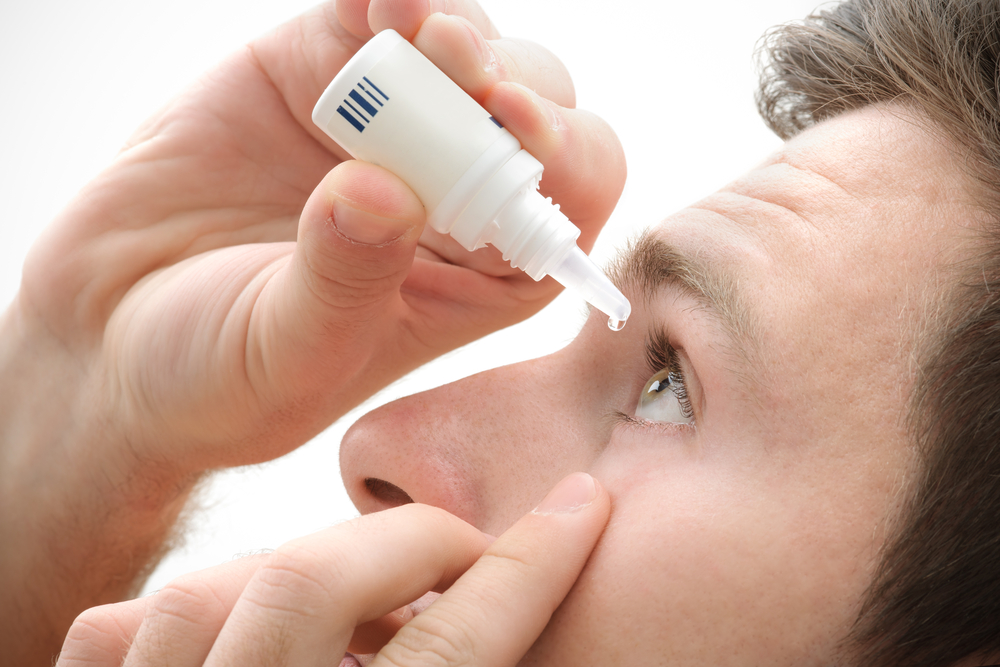
    Dominican Republic, October 2017 – You are in front of the computer monitor. At the end of the day, he has burning and irritation, and possibly his vision is somewhat blurred. Like you, millions of people experience dry eye symptoms every day.

    ‘The dry eye’ is a medical term to describe the lack of moisture in the eye. It is the result of inadequate lubrication and occurs when the tear glands stop producing enough tears or produce tears of poor quality. This causes some symptoms, which may include:

    • Burning, burning or scratching sensation in the eyes.
    • Thick mucus in or around the eyes.
    • Light sensitivity.
    • Redness of the eyes
    • Feeling of having something in your eyes (sand feeling).
    • Difficulty wearing contact lenses.
    • Trouble driving at night
    • Excessive tearing.
    • Blurred vision or tired eyes.

    When adequate treatment is not received, this condition can alter and have a negative effect on the quality of life of patients. Tears maintain the health of the front surface of the eyes and help provide clear vision.

    This condition can develop for various reasons and risk factors, including:

    • Age: As a natural part of aging, most people 65 years of age and older experience dry eye symptoms.
    • Gender: Women are more likely to develop dry eye due to hormonal changes, the use of oral contraceptives and menopause.
    • Environmental conditions: Exposure to smoke, wind and dry climates, or not to blink regularly (for example, when working with a computer for prolonged periods).
    • Poor quality of tears: problems within the three layers of the tear film (oily, watery, mucous).
    • Decreased tear production: the inability to produce enough tears.
    • Medications: Certain medications can reduce the number of tears produced: antihistamines, decongestants, blood pressure medications, and antidepressants.
    • Medical conditions: rheumatoid arthritis, diabetes, and thyroid problems can cause an increased risk of dry eye.

    Additionally, after some procedure such as LASIK (refractive surgery for the correction of farsightedness myopia and/or astigmatism), more than 95% of patients experience dry eye symptoms. In these cases, it is also recommended to accompany the preoperative treatment with artificial tears.

    “Dry eye can become a chronic disease, but your ophthalmologist can prescribe a simple treatment to improve the volume and/or quality of tears, treat inflammation of the eye and in this way, maintain your healthy eyesight and prevent further problems of vision ”, reveals the director of the Ophthalmological Therapeutic Area for Novartis in Central America and the Caribbean, Dr. Ainhoa ​​Bacaicoa.

    Most patients, he adds, use eye drops that relieve some symptoms, but do not treat them, so they will continue to have problems. Hence his call to visit his trusted ophthalmologist.

    Dry eye can be diagnosed through an evaluation, which will include the patient’s history to determine environmental factors or medication that may influence the diagnosis; an external evaluation of the eye, which consists of the dynamics of blinking and the structure of the eyelashes, as well as the evaluation of tears. Contrasts could be used to assess the quality of the tear. This process will determine the best treatment for you.

    Some tips to improve dry eye symptoms:

    • Visit your ophthalmologist.
    • Blink regularly when reading or when in front of the computer for extended periods.
    • Increase the humidity of the house and work air.
    • Wear dark glasses outdoors.

    Consider adding supplements with omega 3 to your diet to help promote the generation of healthy tears.

    About Novartis

    Novartis provides innovative health solutions that address the evolving needs of patients and societies. Based in Basel, Switzerland, Novartis offers a diversified portfolio to meet these needs: innovative medicines better,

    Vision care and generic pharmaceutical products that save costs. Novartis is the only global company with leadership positions in these areas. In 2016, the Group achieved net sales of USD 48.5 billion, while R&D throughout the entire group amounted to approximately USD 9.0 billion.

    The Novartis Group companies employ approximately 118,000 full-time associates. Novartis products are available in more than 155 countries around the world. For more information, please visit www.novartis.com.

  • Chronic spontaneous urticaria is underdiagnosed

    Chronic spontaneous urticaria is underdiagnosed

    • More than 20% of the population has experienced hives at some time.
    • The disease has a high impact on the quality of life.

    Dominican Republic, September 2017– One day, when looking in the mirror, Ana discovered her face and body with hives, felt itchy, and the hives were swollen. In a few weeks, the welts disappeared. Like Ana, a fictional patient, about 20% of the world’s population has experienced at some time during her hives. However, in other cases, people have symptoms for six weeks or more, without an apparent cause; In these cases, the condition is described as chronic spontaneous urticaria (ECU), which is developed by about 1% of the population.

    Patients with ECU experience hives that itch and burn, sudden and sometimes painful inflammation of the deeper layers of the skin, often on the face, hands, and feet (angioedema). They also report difficulty sleeping, including insomnia, anxiety, and depression. The ECU has a duration of at least one year in most patients, more than five years in a considerable proportion and up to 50 years in rare cases.

    The quality of life of these patients is profoundly affected, they are tired and anxious, their social and sexual relations are negatively impacted, they limit the sites they visit when preferring low temperatures, avoiding social exposure and using soft clothing and covering them. The impact on their quality of life is further aggravated when they present with angioedema.

    Often it is not possible to identify the specific cause of the disease, and this causes frustration in patients.

    “Exactly the cause of the ECU is unknown, which makes it challenging to treat it properly. It is a disease associated with the release of histamine and other inflammatory mediators, and each patient experiences it differently.

    It is important that patients visit their dermatologist and allergist regularly and to the extent possible, share with the specialist all their symptoms and even, if possible, photographs to determine the best treatment, ”said The Therapeutic Director for Dermatology Novartis for Central America and the Caribbean, Dr. Paolo Tassinari.

    For the approach of hives, antihistamines are considered as part of the treatment as well as more specific treatments for persistent cases. Dr. Tassinari explains that in Central America, this disease is highly underdiagnosed, since the estimated number of affected patients maybe around 150,000.

    Precisely to meet the needs of patients affected by this disease, Novartis has been dedicating significant efforts and resources to strengthen and improve its portfolio of dermatology specialty, adding drugs to respond adequately to the needs of these patients.

    A patient with typical chronic spontaneous urticaria:

    • Almost twice as many women as men suffer from UCE.
    • People of all ages can be affected by the UCE, but the incidence peaks are between 20 and 40 years.
    • The ECU is unpredictable, so the time someone suffers can vary.

    About Novartis

    Novartis provides innovative health solutions that address the evolving needs of patients and societies. Based in Basel, Switzerland, Novartis offers a diversified portfolio to meet better these needs: innovative medicines, vision care, and generic pharmaceutical products that save costs.

    Novartis is the only global company with leadership positions in these areas. In 2016, the Group achieved net sales of USD 48.5 billion, while R&D throughout the entire group amounted to approximately USD 9.0 billion.

    The Novartis Group companies employ approximately 118,000 full-time associates. Novartis products are available in more than 155 countries around the world.

    For more information, please visit www.novartis.com

  • Multiple sclerosis: a disease that affects your neurons

    Multiple sclerosis: a disease that affects your neurons

    • Early diagnosis can help control the disease.
    • Multiple sclerosis affects people of productive age.

    More than 2.3 million people around the world have multiple sclerosis; one of the most common diseases of the central nervous system.

    Multiple sclerosis disrupts the normal functioning of the brain, optic nerve, and spinal cord, causing the loss of physical (for example, difficulty walking) and cognitive (such as memory loss) functions.

    This is an inflammatory and neurodegenerative disease in which the immune system destroys myelin, which is a coating that protects nerve fibers, which affects the conduction of electrical impulses to and from the brain.

    The nerve damage is caused by inflammation, and these injuries are those that produce several of the symptoms of multiple types of sclerosis, such as blurred vision, numbness, tingling in different parts of the body, dizziness, fatigue and cognitive changes, among others.

    For each patient, the way forward for the adequate care of the disease is different because the symptoms vary; For that same reason, in some cases, the diagnosis of the disease takes some time. To determine whether or not this condition is involved, the doctor will collect a series of data and perform several tests to begin by ruling out other diseases with similar symptoms.

    Among the most common symptoms of this disease are: fatigue, pain, decreased bladder control, sexual dysfunction, movement and coordination problems, visual problems, emotional and cognitive changes.

    Although predicting the development of this condition or the symptoms that you will suffer is not possible, determining the type of sclerosis you suffer if it is and can help you prepare to face it.

    “Research in multiple sclerosis is increasingly focused on understanding the importance of reducing brain atrophy and the importance of preserving the brain in the early stages of the disease. That is why we insist on early diagnosis because it is a key factor to give adequate treatment from the early stages and improve the patient’s quality of life, ”said the Spanish neurologist, Dr. Javier Montalbán.

    Statistics indicate that, without proper treatment, only 50% of patients with multiple sclerosis will have work ten years after diagnosis. Hence, early and effective treatment is critical.

    Three different clinical forms of this disease are described:

    • The first is known as relapsing multiple sclerosis, RRMS, which is characterized by attacks (or outbreaks) with worsening of neurological function, followed by periods of improvement in which the patient recovers partially or entirely. 80% of patients start with this clinical form.
    • EMSP progressive secondary sclerosis, which is characterized by the accumulation of permanent disability between relapses.
    • And the last type, the progressive primary EMPP, in which the symptoms gradually get worse over time from the beginning without relapses. It is the least common cynical form.

    “Although there is no cure yet, if different therapies are available that can alter the course of the disease, delay its progression, improve symptoms and reduce the risk of relapse,” explained Dr. Montalbán.

    Novartis offers oral therapy for recurrent remitting multiple sclerosis, which has been shown to be effective in the four key parameters of disease progression: relapses, injuries, disability progression, and loss of brain volume. This is known as NEDA4 (No Evidence of Disease) and is achieved when there is control over those four parameters.

    About Novartis

    Novartis provides innovative health solutions that address the evolving needs of patients and societies. Based in Basel, Switzerland, Novartis offers a diversified portfolio to meet these needs: innovative medicines better,

    Vision care and generic pharmaceutical products that save costs. Novartis is the only global company with leadership positions in these areas. In 2016, the Group achieved net sales of USD 48.5 billion, while R&D throughout the entire group amounted to approximately USD 9.0 billion.

    The Novartis Group companies employ approximately 118,000 full-time associates. Novartis products are available in more than 1155 countries around the world. For more information, please visit https://www.novartis.com

This site is registered on wpml.org as a development site. Switch to a production site key to remove this banner.